
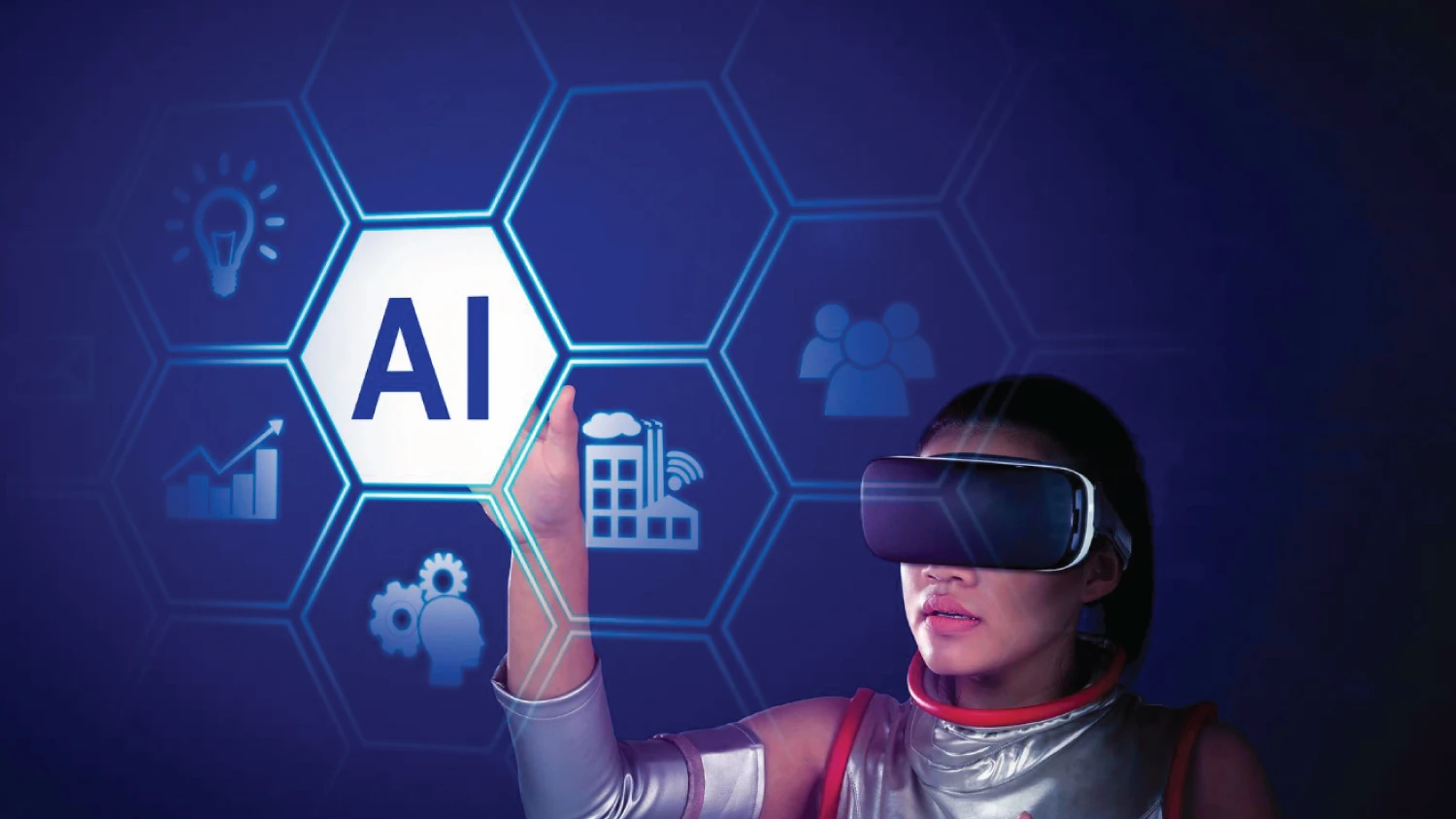
Generative AI is no longer a futuristic buzzword – by 2025, it has become the backbone of how global businesses operate, create, innovate, and deliver value. From automated content creation to predictive analysis, business intelligence, product design, and real-time decision-making, generative models are reshaping what “work” truly means.
As organizations race to adopt AI-powered solutions, experts describe 2025 as the year when Generative AI moved from experimental to essential. Companies like Tech Buzz Wire are actively analyzing these ever-evolving AI trends, helping businesses understand how to prepare for the shift.
This blog explores how generative AI is transforming the future of work in 2025 – and what this means for businesses, teams, and professionals globally.
What Is Generative AI?
Generative AI refers to artificial intelligence systems capable of generating new content, ideas, solutions, and insights based on patterns learned from vast amounts of data. These include:
- Text generation
- Image & video creation
- Code writing
- Voice synthesis
- Predictive modeling
- Personalized experiences
Tools such as GPT models, diffusion models, and multimodal AI systems have enabled AI to understand context, reason, make decisions, and even collaborate with humans – making it a central force in workplace transformation.
Why 2025 Marks a Turning Point
2025 stands out for several reasons:
- AI Adoption Has Reached Mass Scale
Businesses across sectors – from finance to healthcare – are now integrating AI into daily workflows.
- Major Advancements in Multimodal AI
AI can process text, video, speech, and images together, enabling richer insights and more accurate output.
- Workforce Talent Gaps
AI is filling massive skill shortages in cybersecurity, software development, content creation, and analytics.
- Better AI Regulations & Responsible Use
Governments and companies now have clearer guidelines on safety, privacy, and ethical usage.
- AI-Powered Productivity Boom
Organizations using AI report up to 40–60% faster task completion.
The combination of scalable tools, business readiness, and advanced models has made 2025 the pivotal year for generative AI evolution.
Key Ways Generative AI Is Transforming the Future of Work
1.1 Automation of Repetitive Tasks
Generative AI handles tasks that were once time-consuming, such as:
- Writing reports
- Drafting emails
- Scheduling & data entry
- Preparing presentations
- Creating templates
- Managing customer support
This frees employees to focus on strategic, high-value work.
1.2 Hyper-Personalized Customer Experiences
AI now helps companies deliver tailored content, offers, and messages based on user behavior, preferences, and real-time needs.
Examples include:
- AI-powered chatbots customizing customer journeys
- Personalized ads generated automatically
- Real-time recommendations in eCommerce
- Tailored learning paths in EdTech
By 2025, customer-facing AI systems are more human-like, context-aware, and emotionally intelligent.
1.3 AI-Enhanced Creativity
Generative AI tools assist in:
- Graphic design
- Video editing
- Script writing
- Music generation
- Branding
- 3D modeling
Rather than replacing creators, AI acts as a creative partner, helping brainstorm ideas, produce variations, enhance visuals, and speed up the production cycle.
Creative teams now work in AI-augmented pipelines, where humans lead direction and AI accelerates execution.
1.4 Smarter Decision-Making & Predictive Insights
AI systems help companies:
- Identify trends
- Predict risks
- Optimize supply chains
- Forecast sales
- Monitor cybersecurity threats
Predictive AI models provide recommendations backed by data, enabling faster and more accurate business decisions.
1.5 The Rise of AI-Augmented Teams
In 2025, workplaces no longer consist of just humans – they include AI teammates.
AI copilots are now active contributors in:
- Software development
- Marketing strategies
- Financial planning
- HR decision-making
- Customer success
These AI agents learn continuously, provide real-time insights, and help reduce human errors.
1.6 Revolutionizing IT, Cybersecurity & Development
Generative AI is becoming indispensable in tech roles:
- AI-Assisted Coding
Developers now use AI to write, debug, and optimize code.
- Autonomous Security Tools
AI predicts attacks, analyzes vulnerabilities, and automates threat response.
- Infrastructure Management
AI manages cloud workloads, optimizes servers, and improves uptime.
- QA & Testing Automation
AI simulates user behavior for fast testing cycles.
Tech professionals who embrace AI-powered tools gain an enormous advantage in productivity and accuracy.
1.7 Transforming Remote Work & Collaboration
AI is redefining how distributed teams collaborate:
- AI-generated meeting summaries
- Real-time translation
- AI-driven task allocation
- Sentiment-aware team management
- Smart virtual workspaces
Hybrid work models are more efficient and flexible with AI tools acting as digital assistants.
Industries Being Disrupted by Generative AI in 2025
- Healthcare
AI diagnoses, patient reports, medical imaging, personalized treatment plans.
- Finance
Fraud detection, predictive investments, automated risk analysis.
- Manufacturing
Predictive maintenance, quality control, digital twins.
- Education
Personalized learning, automated assessments, intelligent tutoring.
- Marketing & Advertising
AI-created campaigns, automated content pipelines, customer segmentation.
- Retail
Smart inventory, AI-powered assistants, product design.
- Entertainment & Media
AI-generated films, virtual influencers, realistic animations.
The speed and scale of disruption are greater in 2025 than in any previous technological shift.
Benefits of Generative AI for Businesses in 2025
- Higher efficiency & productivity
- Reduced operational costs
- Faster innovation cycles
- Better customer satisfaction
- Enhanced cybersecurity protection
- Empowered teams with advanced AI tools
- Real-time insights for strategic decisions
Businesses adopting AI early enjoy maximum competitive advantage.
Challenges & Ethical Considerations
Generative AI brings immense power, but also responsibilities:
- Bias & fairness concerns
AI may still show bias in hiring, lending, or content moderation.
- Intellectual property risks
Who owns AI-generated content?
- Data privacy
Sensitive data must be managed carefully.
- Overdependence on automation
Employees must balance AI support with human judgment.
- Job transitions
Some roles may decline while others rapidly grow.
By 2025, organizations are focusing on responsible frameworks to ensure safe AI usage.
Skills Professionals Need to Thrive in an AI-Powered Future
- Prompt Engineering & AI Tool Mastery
Understanding how to guide AI effectively.
- Data Literacy
Interpreting insights, dashboards, and AI-generated analytics.
- Creative Problem-Solving
Humans excel where AI cannot: innovation, emotion, leadership.
- Critical Thinking & Decision Making
Evaluating AI outputs with sound judgment.
- Cybersecurity Awareness
Knowing how to protect digital ecosystems.
- Collaboration & Adaptability
AI will evolve – and so must the workforce.
AI doesn’t eliminate human jobs; it eliminates repetitive tasks and elevates human potential.
The Future Vision: What Work Will Look Like by 2030
By the end of the decade, experts predict:
- AI-First Organizations
Most companies will run on AI-driven operations.
- Human-AI Hybrid Teams
AI agents will work alongside humans across all departments.
- Fully Automated Workflows
From hiring to product design to support, many tasks will be AI-managed.
- Emotional & Empathic AI
Advanced systems will understand tone, emotions, and human intent.
- New Career Paths
AI strategists, model auditors, dataset curators, AI ethicists, and automation managers.
The transformation has begun – and businesses prepared in 2025 will lead the next decade.
Conclusion
Generative AI is transforming how we work, think, and create in 2025. It boosts productivity, accelerates innovation, enhances decision-making, and redefines what teams can achieve together. While challenges remain, the benefits of adopting generative AI significantly outweigh the risks.
As AI continues to evolve, companies and professionals must embrace learning, adaptability, and responsible use. Platforms like Tech Buzz Wire continue to shed light on ever-evolving AI trends, helping businesses stay ahead in this era of intelligent transformation.
The future of work is here – and it is powered by Generative AI.
FAQs
Will Generative AI replace human workers?
Not entirely. AI replaces repetitive tasks, not human creativity, leadership, or emotional intelligence. Humans and AI will collaborate as hybrid teams.
Is generative AI safe for businesses?
Yes, when used responsibly. Organisations must follow ethical standards, secure data practices, and human oversight.
Which industries will gain the most from generative AI?
Healthcare, finance, marketing, manufacturing, education, and IT benefit the most due to automation and predictive capabilities.
What skills should workers learn in 2025?
AI tool usage, prompt engineering, data literacy, cybersecurity basics, critical thinking, and creative problem-solving.
How does generative AI improve productivity?
It automates repetitive work, enhances decision-making, speeds up content creation, and reduces errors – leading to faster output and better efficiency.
Is generative AI expensive to implement?
Costs vary, but cloud-based AI tools make adoption accessible even for small businesses.


