
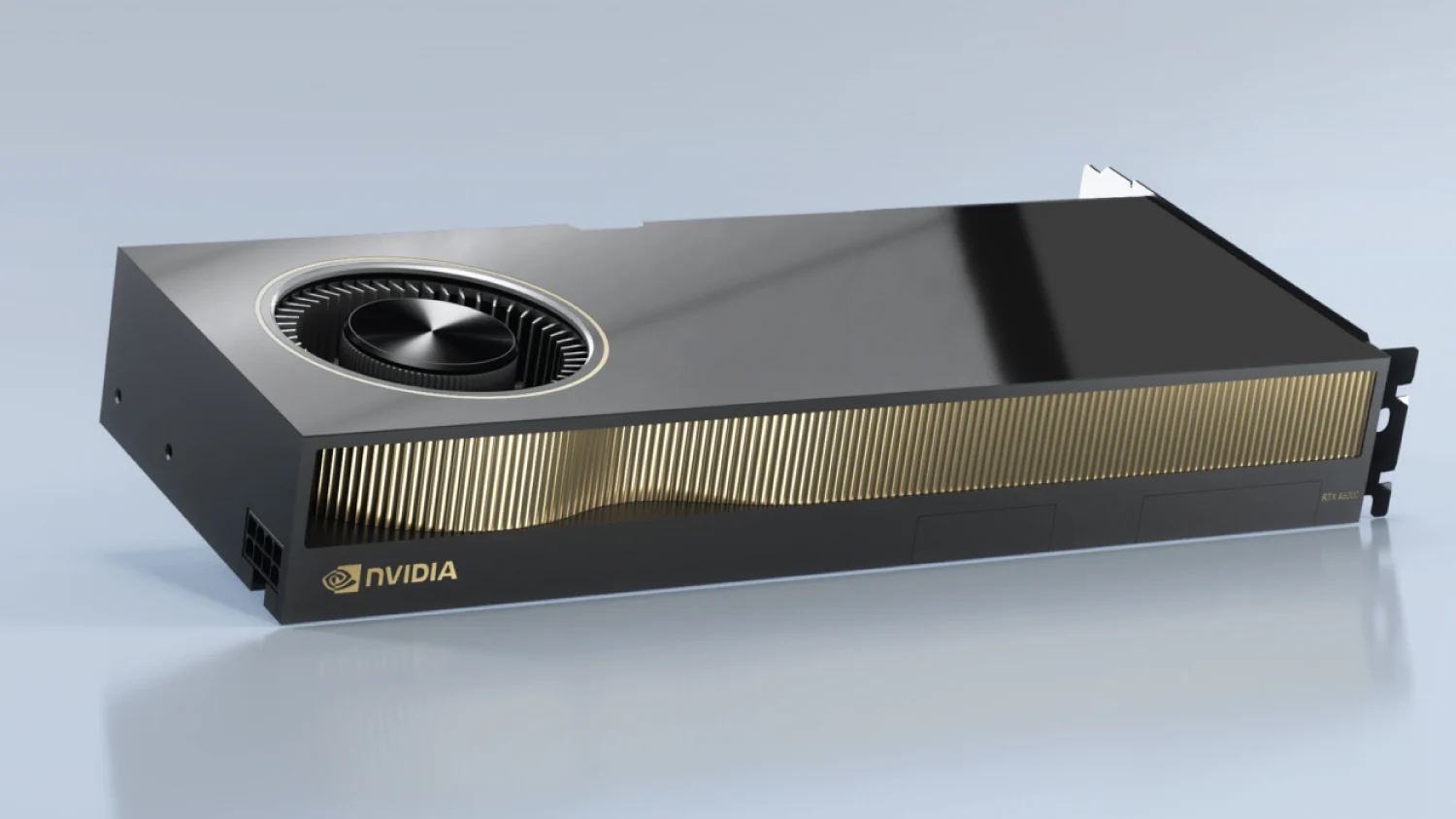
NVIDIA has once again shaken the GPU industry by unveiling its RTX 6000 Series, a lineup designed to redefine professional graphics, AI acceleration, and next-generation computing performance. Targeted at creators, enterprise users, engineers, and high-end gamers, this new range sets the stage for what many are calling the most advanced workstation GPU family to date.
With the growing demand for AI workloads, real-time rendering, 8K video processing, and ultra-efficient productivity tools, the RTX 6000 Series steps forward as NVIDIA’s response to an ever-evolving technological landscape. At Tech Buzz Wire, we break down every major upgrade, benchmark result, and pricing detail to help you decide whether this new generation is worth the investment.
What’s New in the NVIDIA RTX 6000 Series?
The RTX 6000 lineup introduces an entirely new design philosophy built around ultra-high performance, scalable AI capabilities, and improved professional workflow efficiency. Some of the most important highlights include:
- Next-gen CUDA, Tensor, and RT cores
- Massive boost in AI inferencing and training performance
- Improved ray-tracing pipelines with higher throughput
- Significantly faster real-time rendering
- Support for larger scene assets and datasets
- Hardware-level enhancements for machine learning
- PCIe Gen5 compatibility
- Advanced cooling and power optimization
This new generation aims to dominate multiple industries-from VFX studios and robotics to scientific research and high-end gaming.
Key Architectural Upgrades
The RTX 6000 Series is powered by NVIDIA’s latest architecture, offering revolutionary improvements in every core GPU component.
1.1 Next-Gen CUDA Cores
New CUDA cores deliver up to 30–40% higher FP32 and FP64 compute performance, enabling extremely fast calculations essential for simulation, modeling, and computational workloads.
1.2 4th-Gen Tensor Cores
Tensor cores get a massive upgrade with improved throughput for:
- AI training
- Deep learning inferencing
- Neural rendering
- Large language model execution
- Scientific computations
These enhancements make the RTX 6000 series ideal for enterprises adopting AI-first workflows.
1.3 3rd-Gen Ray Tracing Cores
Ray tracing now features:
- Faster BVH traversal
- Multi-layer ray tracing
- Enhanced real-time global illumination
- Reduced rendering latency
This means cinematic-quality visualizations even in complex, multi-layered environments.
1.4 Expanded VRAM Capacity
Depending on the specific model, the RTX 6000 GPUs offer:
- 32GB to 64GB GDDR6 / GDDR6X memory
- More memory bandwidth
- Optimal handling of massive 3D, AI, and simulation workloads
Real-World Performance Benchmarks
While scores vary per model, early performance tests from industry benchmarks show staggering improvements:
1.1 Rendering Performance
- 45–60% faster in applications like Blender, V-Ray, and Arnold
- Up to 2× faster denoising in real-time ray-traced scenes
1.2 AI & Deep Learning
- Up to 3× faster Tensor operations
- Significant improvements in PyTorch, TensorFlow & ONNX workflows
- Smooth handling of billion-parameter AI models
1.3 Video Editing & 3D Animation
- Faster 8K RAW workflows
- Zero-lag playback for multi-layer video streams
- Improved GPU acceleration in After Effects, DaVinci Resolve & Unreal Engine
1.4 Scientific & Industrial Applications
- Up to 40% faster simulation for robotics, engineering CAD, and scientific modeling
These improvements position the RTX 6000 series as a dominant player across productivity landscapes.
AI, Professional Workflows & Gaming Enhancements
While the RTX 6000 lineup is primarily for professionals, it also packs enough power to dominate modern AAA gaming titles.
1.1 AI Enhancements
- Faster training of complex neural networks
- Improved generative AI workloads
- Stable multi-model handling
- Support for larger datasets and higher-resolution compute tasks
1.2 Professional Workflow Boosts
Industries with large workloads benefit immensely:
- Architectural visualization
- Medical imaging
- Film production
- Autonomous vehicle training
- Robotics simulation
- VR/AR development
1.3 Gaming Performance
- Up to 2× faster 4K gaming
- Better frame rates in heavily ray-traced titles
- Stable performance in 240Hz esports environments
Power Efficiency & Cooling Improvements
NVIDIA has improved efficiency across the board with:
- Next-gen power regulation
- Lower thermal output under peak loads
- Redesigned cooling chambers
- Better airflow control
- Reduced noise levels
Despite being performance monsters, the RTX 6000 GPUs maintain excellent thermal stability.
Pricing Breakdown
As of the latest announcement, pricing varies across the series, with expected ranges:
| RTX 6000 Model | Estimated Price (USD) |
|---|---|
| RTX 6000 Base Model | $1,299 – $1,499 |
| RTX 6000 Ti | $1,699 – $1,999 |
| RTX 6000 Pro | $2,199 – $2,499 |
| RTX 6000 Ultra | $2,999 – $3,499 |
These prices reflect the premium workstation-grade capabilities and enormous performance leaps.
RTX 6000 vs Previous-Gen Models
RTX 5000 Series vs RTX 6000 Series – Key Differences
| Feature | RTX 5000 Series | RTX 6000 Series |
|---|---|---|
| Architecture | Older Gen | Next-Gen |
| Ray Tracing | 2nd Gen | 3rd Gen |
| Tensor Cores | 3rd Gen | 4th Gen |
| Memory | Up to 24GB | Up to 64GB |
| AI Performance | Moderate | Extremely High |
| Rendering Speed | Good | Industry-Leading |
| Power Efficiency | Standard | Improved |
The RTX 6000 series delivers major enhancements across every core GPU function.
Should You Upgrade?
The RTX 6000 Series is ideal if you are:
- A 3D artist, VFX professional, or animator
- Working with AI engineering, machine learning, or robotics
- Handling large datasets for scientific or industrial simulations
- A high-end gamer pushing 4K or 8K performance
- Running multi-monitor or VR pipelines
- Building enterprise-grade AI infrastructure
If your existing GPU struggles with complex workloads or high-resolution rendering, upgrading to the RTX 6000 will significantly boost productivity.
Final Thoughts
NVIDIA’s RTX 6000 Series represents a major leap forward in professional GPU technology. From drastically faster rendering and AI performance to improved cooling systems and larger VRAM pools, this series is positioned to dominate the next era of computing.
As the tech world evolves rapidly, platforms like Tech Buzz Wire bring you breaking updates and insights into game-changing hardware like the RTX 6000. Whether you’re an industry professional, a content creator, or a high-end gamer, NVIDIA’s new GPUs are setting the standard for the next generation of performance.
FAQs
What is the NVIDIA RTX 6000 Series mainly designed for?
The RTX 6000 lineup is created primarily for professionals-including 3D artists, AI developers, engineers, VFX studios, and researchers-who need extremely high computational and rendering power.
Is the RTX 6000 good for gaming?
Yes, though it is designed for workstation-level tasks, the RTX 6000 delivers excellent gaming performance, especially at 4K and 8K resolutions.
How much VRAM does the RTX 6000 Series offer?
Depending on the model, the RTX 6000 GPUs come with 32GB, 48GB, or 64GB of high-bandwidth memory.
Does the RTX 6000 support AI workloads?
Absolutely. With 4th-gen Tensor cores, the RTX 6000 series provides industry-leading AI performance, ideal for training and deploying advanced machine learning models.
Should I upgrade from the RTX 5000 Series?
If you handle large datasets, heavy 3D rendering, AI training, or multi-app workflows, upgrading to the RTX 6000 will give you a significant boost in speed and efficiency.
Are these GPUs power-efficient?
Yes, NVIDIA has introduced enhanced cooling and optimized power delivery, making the RTX 6000 more efficient than previous generations.


